ENGLISH
  РУССКИЙ
Recent SCEI Research FindingsVision Loss and Quality of Life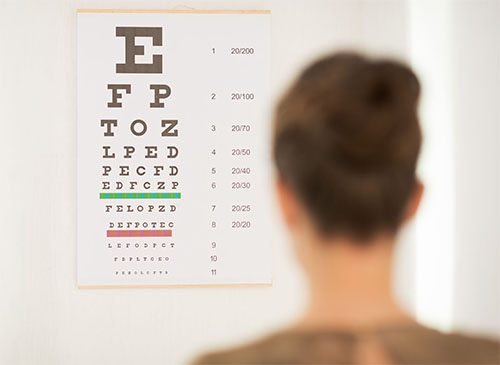
The loss of two lines in the ability to read an eye chart resulted in patients reporting a significant loss in their ability to perform vision-related tasks at home and while driving. The greatest impact was noted among Latinos aged 65 and older. Study: Differences in Vision-Related Quality of Life With Visual Acuity by Race and Ethnicity in the Multi-Ethnic Ophthalmology Cohort Study in California (MOCCaS) Sickle Cell Trait, Blood Sugar, and Diabetic Retinopathy
Researchers found that sickle cell trait is associated with higher blood sugar (HbA1c) and diabetes prevalence, but a lower prevalence of diabetic retinopathy (DR) in African American women aged 40 and older. G6PD deficiency does not appear to affect the prevalence of diabetes and DR. Additional research will be needed to confirm these results for the purpose of early detection of retinal diseases. Study: Glycemic Control and Diabetic Retinopathy Among Older African American Women With Sickle Cell Trait and G6PD Deficiency Lack of Vision Correction Among African Americans
Uncorrected refractive error is a leading cause of vision impairment among African Americans. Annual household income of less than $20,000 and the absence of vision care insurance are significant risk factors. Policies and programs are urgently needed to reduce the cost of eye exams and corrective lenses. Study: Prevalence and Risk Indicators of Uncorrected Refractive Error in African Americans: The African American Eye Disease Study |